
Straightening teeth improves function, health, and confidence. Many patients start with a consultation to review digital scans, bite issues, and daily routines. During that visit, people often ask about clear aligners and how Invisalign in Vancouver compares with fixed braces for both comfort and results.
What Is Invisalign?
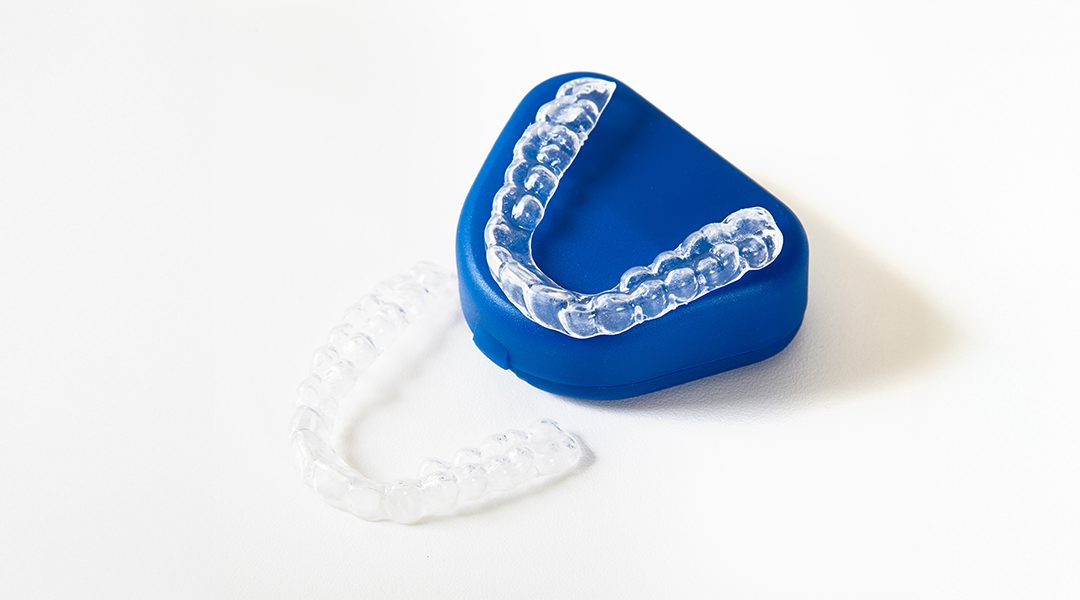
Invisalign is a series of custom clear trays that move teeth in planned steps. Each set is worn most of the day and changed on schedule. Attachments and elastics can be added when specific movements are needed.
What Are Traditional Braces?
Braces use small brackets bonded to teeth with archwires that guide movement. They are highly effective for rotations and root control. Many complex cases respond predictably to Dental Braces in Vancouver when detailed bite correction is required.
Effectiveness in Treating Dental Issues
Both systems treat crowding, spacing, and many bite concerns. Aligner therapy now handles moderate complexity with attachments and staged mechanics. Fixed appliances still offer broad control when multiple directions of force are needed at once.
Treatment Duration and Results Timeline
The total time depends on the case complexity and patient compliance. Aligners must be worn for 20 to 22 hours daily for optimal progress. Review your plan with a trusted dentist in Vancouver to understand likely milestones, refinement needs, and checkup frequency.
Comfort and Everyday Convenience
Clear trays are smooth and usually cause less irritation to cheeks and lips. Braces are always working and do not rely on wear time, which helps some patients. Emergencies are uncommon for both, and minor discomfort is manageable with wax and simple adjustments.
Eating and Lifestyle Adjustments
Aligners come out for meals, so there are no food restrictions, but you need to brush before reinserting. Braces stay in place, so very hard or sticky foods should be limited to protect brackets and wires.
Aesthetic Impact During Treatment
Aligners are nearly invisible in most settings and are a popular choice for public-facing roles. Braces are visible, though ceramic options soften the look. Either path can be chosen without compromising final results.
Maintenance and Oral Hygiene Requirements
Daily cleaning protects gums and enamel. Aligners require gentle rinsing and tray brushing. Braces need threaders or a water flosser to reach around brackets. A dentist near you can demonstrate fast routines that keep plaque under control during treatment.
Common Myths About Invisalign
Myth: Aligners only fix minor cases. In reality, attachments, precision cuts, and elastics allow correction of many moderate problems. Success still depends on consistent wear and timely tray changes.
Common Myths About Braces
Myth: Braces always take longer and hurt more. Modern wires reduce soreness, and some complex movements can be faster with fixed appliances because force is continuous.
How to Decide Based on Smile Goals
List what matters most to you, such as appearance during treatment, meal flexibility, and how likely you are to wear trays on schedule. If discretion is key, aligners may be a better fit. If your case is complex, your clinician may recommend braces. If you want convenience and easy scheduling, consider exploring Invisalign near you to compare plan options and office support.
Choosing Your Care Team
Quality planning matters more than the brand alone. Look for clear communication, digital previews, and measured progress at each visit. A supportive team helps you stay on track and reach the planned finish.
Conclusion
Both aligners and braces can deliver a balanced bite and a confident smile when guided by an experienced provider. Aligners offer discretion and meal freedom, while braces provide versatile control for complex dental mechanics. If you prefer a local office with personalized planning and careful follow-up, a conversation with Ranieu Family Dental can help you select the approach that matches your goals and daily life.
Recent Comments