
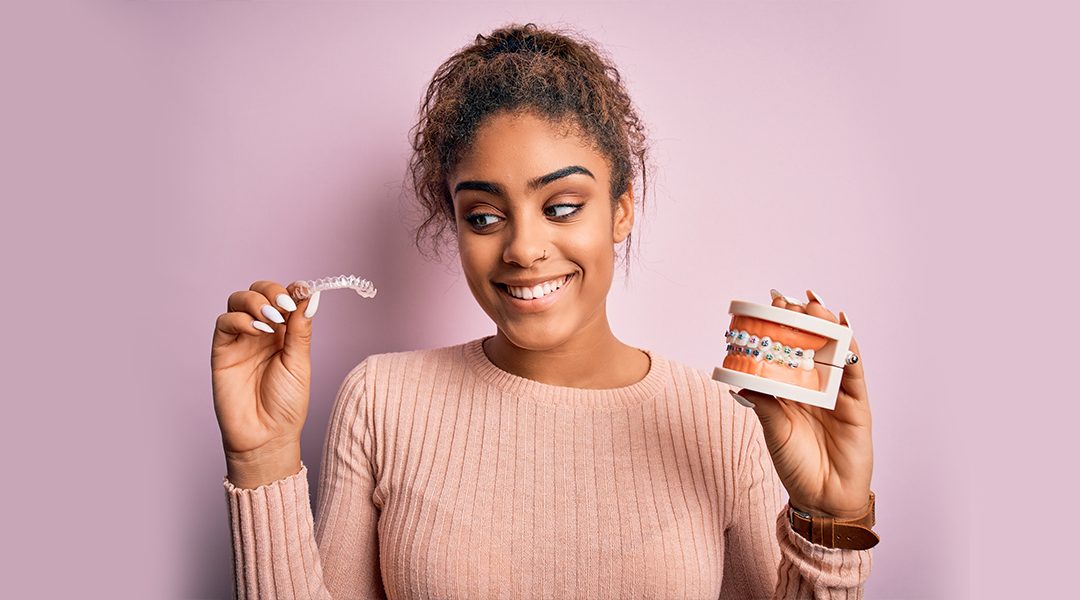
Choosing orthodontic treatment often depends on how comfortable the option feels day to day. Many adults and teens want straighter teeth without discomfort interfering with work, school, or social life. If you are considering Invisalign in Vancouver, it is natural to compare how it feels against traditional braces. Both options are effective for aligning teeth, but the physical experience of wearing them can differ in noticeable ways. Understanding how comfort changes during treatment helps patients make informed decisions and approach orthodontic care with realistic expectations.
Understanding Comfort in Orthodontic Treatment
Comfort in orthodontic treatment involves more than pain levels alone. It includes how an appliance fits, how it affects speech, and how easily daily routines can continue. Pressure on teeth, irritation of soft tissues, and the effort required for cleaning all influence comfort. While each patient responds differently, patterns of pressure and adjustment tend to follow a predictable course as teeth begin to move and supporting tissues adapt.
How Invisalign Feels During Daily Wear
Fit and Smooth Aligner Design
Clear aligners are custom-made to fit closely over the teeth. Their smooth surface reduces contact with the cheeks and lips, which lowers the chance of irritation. When a new aligner is introduced, gentle pressure is common as teeth begin shifting. This sensation usually settles within a day or two. Because aligners do not use brackets or wires, many patients experience fewer sore spots during regular wear.
Impact on Speech and Routine Activities
Some patients notice a mild lisp during the first few days of wear, especially when speaking quickly. This change typically improves as the tongue adapts. Aligners are removable, allowing patients to brush, floss, and eat without restriction. A dentist near you may emphasize consistent wear to help the mouth adjust smoothly and avoid repeated periods of pressure.
How Traditional Braces Feel Over Time
Initial Adjustment Period
Braces often cause mild soreness during the first week as teeth respond to pressure from brackets and wires. Lips and cheeks may feel tender as they adjust to the hardware. Orthodontic wax is commonly used to protect areas that feel irritated. This initial phase is usually temporary as the mouth becomes accustomed to the appliance.
Sensation During Tightening Visits
Braces require scheduled adjustments to guide tooth movement. After these visits, temporary pressure or soreness may occur for several days. Patients wearing dental braces in Vancouver often describe the feeling as steady pressure rather than sharp pain. As tissues adapt over time, later adjustments are often tolerated with less disruption to daily activities.
Comfort During Eating and Oral Hygiene
Eating with aligners is simpler because they are removed before meals. This allows patients to maintain their usual eating habits and reduces food buildup around the teeth. Braces involve extra care at mealtimes because hard or sticky foods may interfere with brackets or wires. A dentist in Vancouver may recommend specific brushes or cleaning tools to support comfort and oral hygiene throughout treatment.
Effect on Gums and Soft Tissues
Aligners rest smoothly along the gum line, which lowers the risk of irritation. Braces may sometimes cause sore areas where metal components contact soft tissues. Regular dental visits allow dentists to monitor gum health, adjust appliances if needed, and address irritation early. Maintaining good oral hygiene also helps protect the gums regardless of treatment type.
Lifestyle and Convenience Factors That Influence Comfort
Comfort is closely linked to daily habits and routines. Aligners offer flexibility during work meetings, sports, or social events because they can be removed when necessary. Braces remain fixed at all times, which some patients prefer to avoid managing wear schedules. A Vancouver Dentist can help evaluate how each option fits into a patient’s lifestyle and ability to maintain consistent care.
Adaptation Period and Long Term Wear Experience
Most patients adapt to their orthodontic appliance within a few weeks of consistent wear. Aligners often feel familiar sooner due to their lightweight and removable design. Braces may take longer to adjust to, but many patients report they become less noticeable over time. Long-term comfort depends on regular monitoring, proper cleaning, and following the recommended treatment plan.
How Dentists Help Improve Comfort Throughout Treatment
Dentists support comfort by assessing fit, adjusting appliances carefully, and monitoring how teeth and tissues respond. Education on cleaning techniques, wear schedules, and managing soreness helps patients stay comfortable. Addressing concerns early allows treatment to continue without unnecessary interruption.
Final Thoughts
Patient comfort is influenced more by careful planning and monitoring than by the appliance itself. Oral health needs, daily habits, and personal preferences all play a role in choosing between aligners and braces. A consultation with Ranieu Family Dental allows patients to discuss options in a clinical setting focused on safety, comfort, and long-term oral health.
Recent Comments