
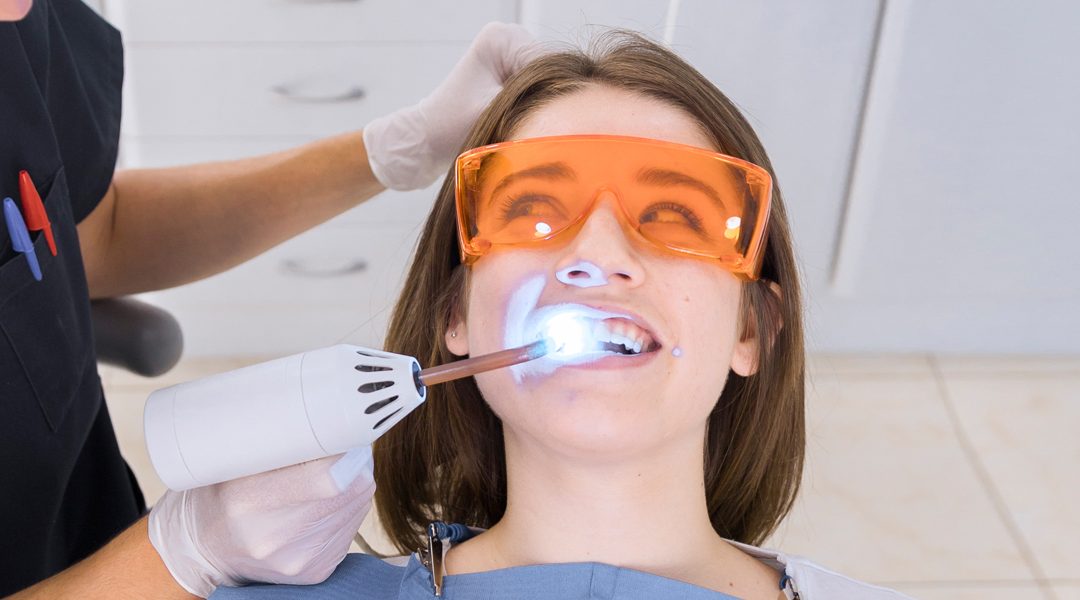
Modern dental care offers more precise ways to treat certain concerns while limiting disruption to healthy tissue. As treatment options continue to evolve, laser dentistry in Vancouver has become part of conversations around comfort, accuracy, and recovery. Before choosing any procedure, it helps to understand how dental lasers work, what they are used for, and what kind of experience you can expect during your visit.
What Is Laser Dentistry
Laser dentistry is a technique that uses concentrated light energy to treat areas of the teeth and gums with accuracy. In clinical settings, lasers may be used to remove or reshape tissue, reduce bacteria, or assist with certain cosmetic and periodontal procedures. This technology does not replace every traditional instrument, but it can be a useful option in the right clinical situation.
A dentist may recommend laser treatment based on the condition, the type of tissue involved, and overall oral health. A proper exam is still the first step before deciding whether this approach is appropriate.
How Laser Dentistry Works
A dental laser delivers focused energy to a small treatment area. Different settings are used depending on whether the procedure involves gum tissue or tooth structure. The goal is precision. By targeting a specific area, the laser helps limit unnecessary impact on surrounding tissue.
In some cases, the laser may also help reduce bacteria in the treatment area. That is one reason it may be used in selected gum therapies or other soft tissue procedures. The exact approach depends on diagnosis, equipment, and the training of the treating provider.
Common Procedures Using Laser Technology
Laser dentistry may be used in a range of procedures, depending on the practice and the patient’s needs. Common examples include:
- Gum contouring
- Treatment support for periodontal concerns
- Removal of some soft tissue lesions
- Cold sore or ulcer management in select cases
- Teeth whitening activation
- Certain steps in cavity detection or preparation
In practices where this technology is part of routine care, a dentist in Vancouver may incorporate lasers into specific treatments where precision and tissue control are important.
Benefits of Laser Dentistry
Patients often ask about the practical advantages of laser treatment. Potential benefits may include:
- More precise tissue management
- Less bleeding in some soft tissue procedures
- Reduced swelling in selected cases
- Greater comfort during certain treatments
- Faster healing for some patients
These benefits depend on the procedure and the individual. Laser treatment should not be described as completely painless or as the best option in every case. Its value lies in supporting a more precise and conservative approach when it is clinically appropriate.
What to Expect During the Procedure
Your visit usually starts with an exam and discussion of treatment goals. The dentist will explain whether laser treatment fits your condition, what the procedure involves, and whether local anesthetic is needed. Protective eyewear is typically worn during treatment.
During the procedure, you may notice a different sound or sensation compared with traditional instruments. Some patients report less vibration or pressure during treatment. After the procedure, recovery instructions depend on the area treated. Many people return to normal activities quickly, though temporary diet or hygiene adjustments may be advised.
Safety and Effectiveness
Laser dentistry is considered safe when used by a trained dental professional in appropriate cases. As with any dental procedure, good results depend on diagnosis, technique, and careful case selection. Dental lasers are not a shortcut or a one-size-fits-all solution. They are a clinical tool.
Clear communication is important. A skilled provider should explain both the benefits and the limits of treatment. If a laser is not the best option, traditional methods may still be more suitable.
Who Is a Good Candidate
A good candidate is someone whose dental needs match the type of procedure a laser is designed to support. Patients with soft tissue concerns, cosmetic goals, or certain periodontal needs may benefit. A preference for minimally invasive care can also make this option appealing.
Candidacy should always be determined through a clinical exam. Treatment planning often reflects a combination of factors, and in some cases, a dentist near you may recommend integrating different techniques rather than relying on one approach alone.
Questions to Ask Your Dentist
Before moving forward, ask clear questions so you can make an informed decision:
- What part of my treatment would use a laser?
- Why is it being recommended in my case?
- What benefits should I realistically expect?
- Are there any limits or alternatives I should know about?
- What kind of recovery is typical for this procedure?
- How often do you perform this type of treatment?
These questions help clarify whether laser dentistry is appropriate for your situation and how it fits into your overall care plan.
Final Thoughts
Laser dentistry can be a useful option for patients who value precision, comfort, and a modern approach to certain procedures. The most important step is choosing a provider who explains treatment clearly, uses technology thoughtfully, and bases recommendations on specific oral health needs. In clinical environments where advanced tools are part of everyday care, a Vancouver Dentist may integrate laser techniques alongside traditional methods to support consistent, patient-focused outcomes. Ranieu Family Dental reflects that approach through technology-driven care, clear communication, and an experienced team.
Recent Comments