
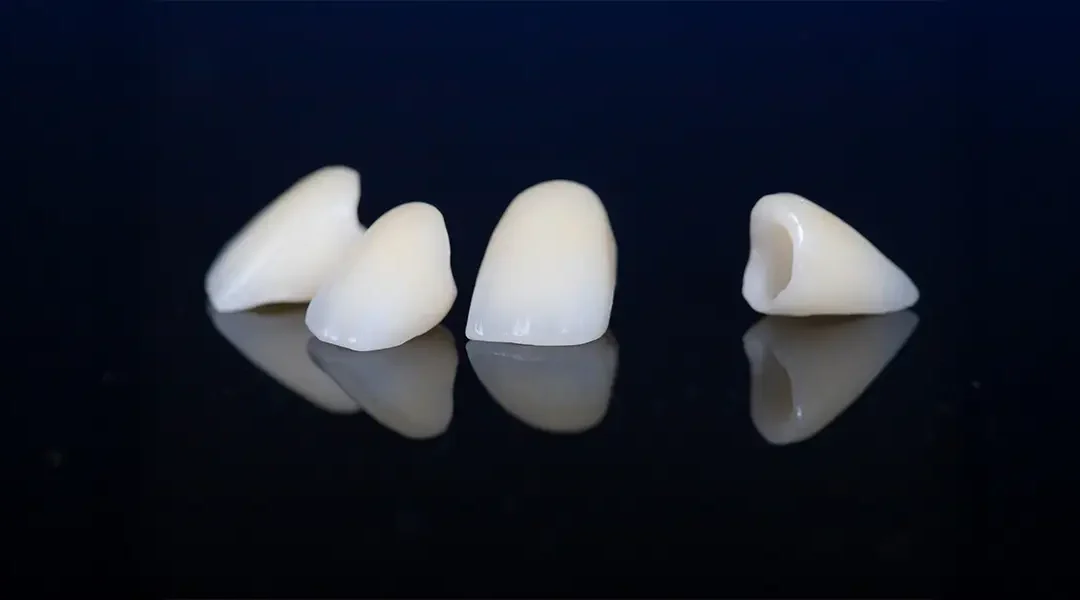
A damaged tooth rarely heals on its own. When a crown is recommended, many people assume they can wait a few weeks, or even months, before moving forward. Unfortunately, that delay can create problems that are more complicated and expensive to treat.
If you’ve recently searched for a “dentist near me” after being told you need a crown, understanding the risks of postponement is important. A dental crown does more than improve appearance. It protects weakened tooth structure, restores function, and helps prevent further damage. Learning how postponement can affect your tooth may help you avoid more complex dental problems later on.
Why Dentists Recommend Dental Crowns
Dental crowns are custom restorations that cover the visible portion of a tooth. They are commonly recommended when a tooth is:
- Cracked or fractured
- Severely worn down
- Weakened by a large filling
- Treated with root canal therapy
- Affected by extensive decay
- Structurally compromised after trauma
A crown acts like a protective shield. Surrounding the remaining tooth structure distributes biting forces more evenly and reduces the risk of further damage.
Without that protection, the tooth remains vulnerable every time you chew, bite, or grind your teeth.
Increased Tooth Damage Over Time
One of the biggest concerns with postponing treatment is the continued weakening of the affected tooth.
A tooth that already requires a crown is often weakened. Even normal chewing can place stress on compromised enamel and dentin. Small cracks may deepen, and fragile areas may break away unexpectedly.
In some cases, what could have been repaired with a crown eventually requires more extensive treatment, such as:
- Root canal therapy
- Crown lengthening
- Tooth extraction
- Dental implant placement
The longer a weakened tooth remains unprotected, the greater the likelihood of structural deterioration.
Tooth Pain and Sensitivity Can Worsen
Many patients delay treatment because the tooth is not causing significant discomfort. However, symptoms can develop gradually.
As damage progresses, the inner layers of the tooth become more exposed. This may lead to:
- Sensitivity to hot beverages
- Discomfort when eating cold foods
- Pain while chewing
- Occasional throbbing sensations
Once the dental pulp becomes irritated, symptoms often become more noticeable. Waiting until severe pain develops may limit treatment options.
Expert Insight
From a clinical perspective, crowns are often recommended before pain becomes severe. Preventive restoration generally preserves more natural tooth structure than emergency treatment after significant damage occurs.
Delaying a Crown Can Lead to Infection
When cracks, fractures, or decay extend deeper into a tooth, bacteria gain easier access to internal tissues.
If bacteria reach the pulp chamber, infection may develop. Signs can include:
- Persistent toothache
- Gum swelling
- Sensitivity that lingers
- Bad taste in the mouth
- Facial swelling in advanced cases
The American Association of Endodontists warns that infections originating inside a tooth can progress beyond the tooth itself when treatment is delayed. Early restorative care helps reduce that risk.
A crown itself does not treat infection, but timely placement can prevent many cases from progressing to that stage.
Temporary Crowns Are Not Meant for Long-Term Use
After tooth preparation, many patients receive a temporary crown while waiting for the permanent restoration.
Temporary crowns serve an important purpose, but they are not designed for extended wear.
Potential problems include:
- Material wear and breakdown
- Loosening or dislodgement
- Increased bacterial leakage
- Changes in tooth position
- Gum irritation
Temporary restorations provide short-term protection only. Missing the final appointment can leave the prepared tooth vulnerable to damage.
How Long Is Too Long to Wait for a Dental Crown?
The answer depends on the condition of the tooth and whether a temporary restoration is in place.
In general:
- A prepared tooth should receive its permanent crown as soon as your dental provider recommends it.
- Temporary crowns are usually intended for a short period, often a few weeks.
- Teeth with large fractures or extensive decay may require more urgent treatment.
Every situation is unique. Following the timeline recommended by your dentist is the safest approach.
Warning Signs You Should Not Ignore
If treatment has been delayed, watch for symptoms that may indicate worsening conditions.
Contact Your Dental Office Promptly If You Notice:
- Sharp pain when biting
- A cracked or broken tooth
- Swelling near the gums
- Persistent sensitivity
- A loose temporary crown
- Changes in bite alignment
- Visible darkening of the tooth
These signs may indicate that the tooth requires immediate attention.
Tips to Protect Your Tooth While Waiting
Sometimes unavoidable scheduling conflicts lead to a brief delay before treatment. During that time, protecting the tooth is essential.
Helpful Strategies
- Avoid chewing on the affected side.
- Stay away from hard foods such as ice and nuts.
- Limit sticky foods that may pull on temporary restorations.
- Maintain thorough brushing and flossing habits.
- A nightguard can help minimize the stress that grinding places on a weakened tooth.
- Follow all instructions your dental team provides.
These precautions can reduce stress on the tooth while awaiting restoration.
Can Delaying a Crown Cause Tooth Loss?
Yes, in some situations it can.
When a weakened tooth continues to fracture, the damage may eventually extend below the gumline or into the root structure. At that point, restoration may no longer be possible.
Tooth loss becomes more likely when delays contribute to:
- Severe fractures
- Advanced infection
- Extensive decay
- Structural collapse
While not every delayed crown results in extraction, postponement increases the risk of complications that may threaten long-term tooth survival.
Benefits of Getting a Dental Crown on Time
Timely treatment offers several important advantages.
Functional Benefits
- Restores normal chewing ability
- Protects weakened tooth structure
- Improves bite stability
Health Benefits
- Reduces infection risk
- Helps preserve natural teeth
- Prevents worsening fractures
Financial Benefits
- May reduce the need for more complex procedures
- Helps avoid emergency dental visits
- Protects previous dental work investments
Patients looking for “dental crowns near me” often discover that addressing the issue early can save both time and future treatment costs.
For individuals seeking a trusted dentist in Vancouver, discussing treatment timelines promptly can help preserve the health and function of vulnerable teeth.
Final Thoughts
A recommended crown is not simply a cosmetic enhancement. It is often a protective measure designed to preserve a tooth before damage becomes irreversible. Waiting too long can increase the risk of fractures, infection, sensitivity, and even tooth loss.
If a crown has been recommended, addressing the issue promptly gives the tooth the best chance of long-term success. For guidance tailored to your specific situation, the team at Ranieu Family Dental can evaluate your tooth condition and recommend the most appropriate next steps to maintain a healthy smile.
Recent Comments